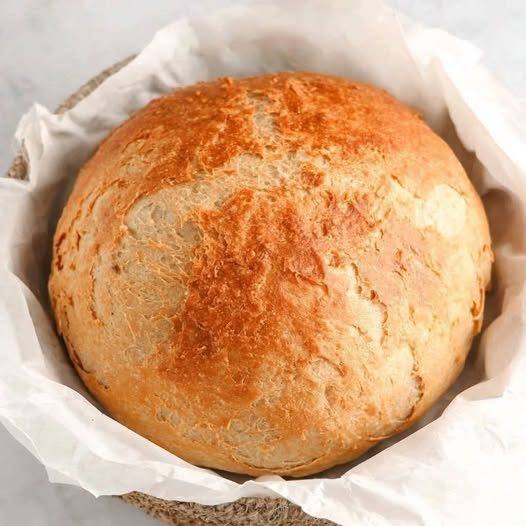
No Kneading, No Eggs, No Butter Bread (Soft & Easy Homemade Bread)
If you want fresh homemade bread but don’t have eggs, butter, or a stand mixer, this No Kneading, No Eggs, No Butter Bread is the perfect recipe. It uses simple pantry ingredients and requires minimal effort. The dough comes together in minutes, and time does most of the work for you.
This type of bread is ideal for beginners because it doesn’t require kneading skills. Instead, the dough rests and rises slowly, allowing the yeast to develop flavor and structure naturally. The result is a soft, fluffy loaf with a slightly crisp crust and a light interior.
Because this bread contains no eggs and no butter, it’s also naturally dairy-free and vegan (if you skip milk substitutes). It’s perfect for sandwiches, toast, soups, or simply spreading with jam or olive oil.
Whether you are baking for the first time or just want an easy everyday bread recipe, this simple loaf delivers excellent results with very little work.
Why You’ll Love This Bread
✔ No kneading required
✔ No eggs or butter
✔ Only basic pantry ingredients
✔ Soft inside with a lightly crisp crust
✔ Perfect for beginners
✔ Great for sandwiches and toast
Ingredients
This recipe makes 1 medium loaf.
- 3 cups all-purpose flour (360 g)
- 1 teaspoon salt
- 1 tablespoon sugar
- 2 teaspoons instant yeast (or active dry yeast)
- 1 ¼ cups warm water (300 ml)
- 1 tablespoon olive oil (optional, for softer bread)
Equipment Needed
- Mixing bowl
- Wooden spoon or spatula
- 8×4 inch loaf pan (or small baking dish)
- Clean kitchen towel
Time & Temperature
- Preparation Time: 10 minutes
- First Rise: 60–90 minutes
- Baking Time: 30–35 minutes
- Total Time: About 1 hour 45 minutes
Oven Temperature:
375°F (190°C)
Step-by-Step Instructions
Step 1: Mix the Dry Ingredients
In a large mixing bowl, combine:
- flour
- salt
- sugar
- yeast
Stir well so everything is evenly distributed.
Step 2: Add Warm Water
Pour the warm water into the bowl. The water should be warm but not hot (about 100–110°F / 38–43°C).
If using olive oil, add it now.
Mix with a spoon or spatula until a sticky dough forms. The dough will look rough and slightly wet, which is completely normal.
Step 3: Let the Dough Rise
Cover the bowl with a kitchen towel or plastic wrap.
Place it in a warm spot and let the dough rise for 60–90 minutes, or until it doubles in size.
During this time, the yeast will ferment and create air bubbles, which give the bread its soft texture.
Step 4: Shape the Dough
Lightly grease a loaf pan with oil.
Once the dough has risen, gently stir it down with a spoon. The dough will still be sticky.
Transfer the dough into the prepared loaf pan and spread it evenly.
Step 5: Second Rise
Cover the pan with a towel and let the dough rise again for 20–30 minutes.
This second rise helps create a lighter and fluffier loaf.
Meanwhile, preheat your oven to 375°F (190°C).
Step 6: Bake the Bread
Place the loaf pan in the preheated oven.
Bake for 30–35 minutes, or until:
- The top is golden brown
- The bread sounds hollow when tapped
Step 7: Cool Before Slicing
Remove the bread from the oven and allow it to cool in the pan for 10 minutes.
Then transfer it to a wire rack to cool completely before slicing.
Cooling helps the crumb set and prevents the bread from becoming gummy.
Tips for Perfect Bread
Use Warm Water
Water that is too hot can kill the yeast, while cold water slows down rising. Aim for warm bath temperature.
Sticky Dough Is Good
This bread dough should be sticky. Avoid adding too much extra flour, which can make the bread dense.
Let It Rise Fully
If your kitchen is cold, the dough may need extra time to double in size.
Check for Doneness
Tap the top of the loaf. If it sounds hollow, the bread is ready.
Flavor Variations
You can easily customize this simple bread.
Garlic Herb Bread
Add:
- 1 teaspoon garlic powder
- 1 tablespoon dried herbs
Whole Wheat Version
Replace 1 cup of all-purpose flour with whole wheat flour.
Olive Bread
Add ¼ cup chopped olives and a teaspoon of oregano.
Seeded Bread
Sprinkle sesame seeds, sunflower seeds, or flax seeds on top before baking.
Serving Ideas
This homemade bread is incredibly versatile.
Serve it with:
- butter or olive oil
- jam or honey
- avocado toast
- soups and stews
- sandwiches
- grilled cheese
It’s also excellent toasted for breakfast.
Storage Tips
Room Temperature
Store bread in an airtight container for 2–3 days.
Refrigeration
Bread can be refrigerated for up to 5 days, though it may dry out slightly.
Freezing
Slice the bread and freeze for up to 2 months.
To reheat, toast slices directly from frozen.
Nutrition Information (Approximate per slice)
Based on 10 slices per loaf.
- Calories: 120
- Carbohydrates: 24 g
- Protein: 4 g
- Fat: 1 g
- Fiber: 1 g
- Sugar: 1 g
- Sodium: 200 mg
Nutrition values may vary depending on ingredients used.
Frequently Asked Questions
Can I make this bread without yeast?
This specific recipe requires yeast for rising. However, you could make a quick bread using baking powder instead.
Can I bake it without a loaf pan?
Yes. Shape the dough into a round loaf and bake it on a parchment-lined baking sheet.
Why didn’t my bread rise?
Possible reasons include:
- expired yeast
- water too hot
- kitchen temperature too cold
Can I add milk instead of water?
Yes. Milk will make the bread slightly softer and richer.
Final Thoughts
This No Kneading, No Eggs, No Butter Bread proves that homemade bread doesn’t have to be complicated. With just a few simple ingredients and minimal effort, you can enjoy fresh, warm bread straight from your oven.